2026 brings significant shifts in how industrial facilities approach cleaning. Sustainability pressure is mounting. Technology is advancing rapidly. Regulatory requirements are tightening. Labour costs are rising. Facilities that understand these trends and adapt early will gain competitive advantage. Those that don’t risk falling behind in efficiency, compliance, and cost management. Let’s explore what’s actually changing in industrial cleaning and what it means for your operation.
Sustainability Is No Longer Optional—It’s Expected
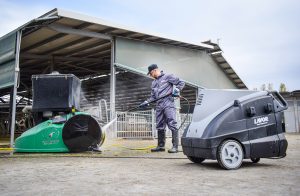
Chemical-free and water-efficient cleaning has moved from trendy to essential. Steam generators dominate conversations because they deliver sanitation without chemicals or excessive water. Facilities are increasingly choosing steam over pressure washing where possible. Water usage directly impacts operational costs and environmental footprint.
In 2026, efficient water usage is a competitive advantage. Machines that use 90 percent less water than traditional methods appeal to cost-conscious and environmentally conscious operations. Biodegradable detergents and eco-friendly cleaning products are becoming standard rather than optional. Regulatory bodies are monitoring chemical use more carefully.
Facilities with documented sustainable practices have easier regulatory compliance. Employee wellness is linked to cleaning method choice. Staff exposed to harsh chemicals face health risks. Steam and chemical-free methods improve workplace health and reduce liability exposure. Customer perception matters. Businesses increasingly choose suppliers with genuine environmental commitments. Facilities that can demonstrate sustainable cleaning practices attract more customers and negotiate better contracts. The trend isn’t slowing. It’s accelerating. Facilities investing in sustainable cleaning technology now avoid forced upgrades later.
Technology Integration: Smart Cleaning Systems
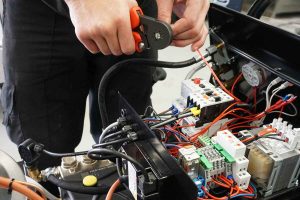
Artificial intelligence and automation are entering industrial cleaning. IoT sensors on equipment track performance, predict maintenance needs, and optimise cleaning cycles. Smart scheduling systems analyse facility usage and automatically generate optimal cleaning schedules. Predictive maintenance prevents equipment breakdown before it happens. Rather than fixed service intervals, systems monitor equipment condition and trigger service when actual maintenance is needed. This reduces unnecessary servicing and prevents unexpected failures.
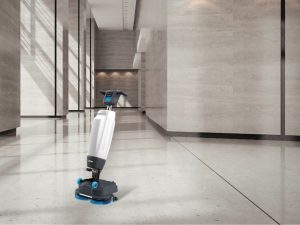
Data analytics help facilities understand cleaning patterns, identify problem areas, and allocate resources more efficiently. Autonomous cleaning equipment is emerging. Ride-on machines with GPS and sensors navigate facilities with minimal human direction. They work during off-peak hours without supervision. This is particularly valuable for large facilities with demanding cleaning schedules.
Battery-powered and electric equipment dominates new product development. Combustion engines are being phased out. Electric equipment is quieter, requires less maintenance, and aligns with sustainability goals. Facilities with electric infrastructure have major advantages. Integration with facility management software means cleaning data feeds into overall facility operations. Managers see real-time cleaning status, can respond to issues quickly, and can verify compliance with cleaning protocols. This transparency is increasingly required for regulated industries like food production and healthcare.
Labour Challenges Driving Equipment Innovation
Finding and retaining cleaning staff is increasingly difficult. Wages are rising. Turnover is high. Training takes time. Facilities are responding by investing in equipment that reduces labour intensity. Ride-on machines that one operator handles instead of three people with mops.
Automated systems that work unsupervised. Equipment that simplifies training—intuitive controls that new staff learn quickly. This isn’t about eliminating jobs. It’s about doing more with fewer people. As labour becomes scarcer and more expensive, equipment investment becomes more attractive.
The ROI on professional cleaning machinery improves when labour costs rise. Facilities that haven’t upgraded equipment face increasing operational costs. Facilities with modern equipment stay competitive. Outsourcing cleaning to specialized companies is growing as an alternative to in-house staff. Specialized cleaning companies invest heavily in technology and equipment. They benefit from economies of scale.
This trend is accelerating. More facilities will outsource cleaning rather than struggle with in-house recruitment and retention. This doesn’t reduce equipment demand—it shifts it. Cleaning companies need professional equipment. The market for industrial cleaning machinery remains robust.
The Future of Industrial Cleaning
2026 isn’t a dramatic shift from 2025—it’s an acceleration of trends already visible. Sustainability pressure continues building. Technology gets smarter. Labour challenges intensify. Equipment becomes more capable and more essential. Facilities that understand these trends and invest accordingly will find cleaning easier, more efficient, and more sustainable.
Those that resist change will face mounting challenges. If you’re managing an industrial facility in 2026, take stock of your cleaning approach. Is your equipment efficient and sustainable? Are your processes optimized? Is your team struggling with outdated methods?
Columbus UK helps facilities navigate these trends.
We supply equipment that addresses 2026 realities: sustainable operation, technological advancement, efficient labour use. We understand that cleaning isn’t a cost centre to minimise—it’s operational infrastructure that affects productivity, compliance, and bottom line. Let’s talk about how modern cleaning equipment can transform your facility.
Contact Us
Columbus UK, based in Darlington, County Durham, is your total solution for all types of indoor and outdoor cleaning equipment. We supply high-quality industrial cleaning machines to all industries and commercial businesses across mainland Britain.
Our friendly, dedicated team provides expert purchasing advice, professional installation, servicing, and repair support to ensure you have the correct machine for your application at an affordable and cost-effective price.
We cover all areas from Scotland and the North East of England through the West Midlands and down to London, with mobile service and repair support available nationwide.
📧 Email: info@columbusuk.co.uk
📞 Tel: 01325 371 439
🌐 Web: www.columbusuk.co.uk