Columbus UK, Darlington Office Based
The Complete Guide to Industrial Cleaning Machines
What Are the Different Types of Industrial Cleaning Machines?
Industrial cleaning machines transform how businesses maintain facilities. From small retail spaces to sprawling warehouses, the right equipment saves time, reduces labour costs, and improves results. But choosing between scrubbers, sweepers, and pressure washers can be overwhelming. This guide covers everything you need to know about industrial cleaning machines—what they are, how to select the right one, and how to maximize your investment.
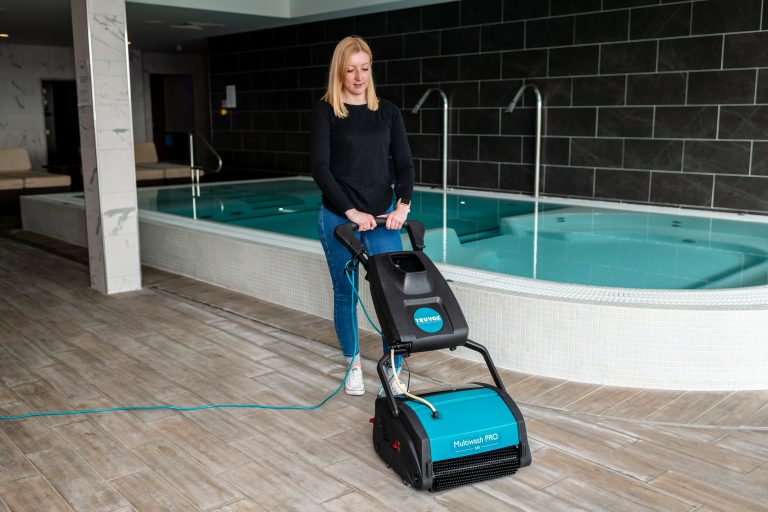
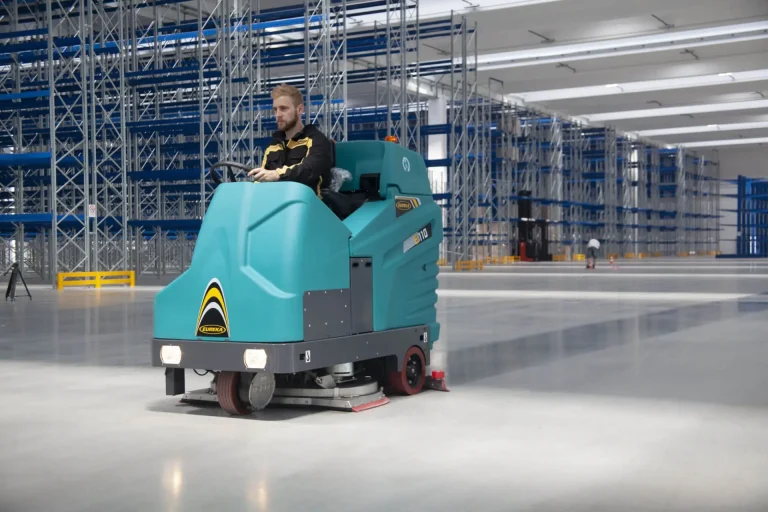
Industrial cleaning comes in several forms, each solving different problems. Floor scrubber driers clean and dry in one pass, ideal for retail and offices. Ride-on and walk-behind sweepers handle large areas efficiently. Pressure washers remove stubborn dirt and grease using high-pressure water jets. Steam generators provide chemical-free disinfection for food facilities and healthcare. Carpet cleaners use spray extraction for deep cleaning. Vacuum systems handle wet and dry debris. Understanding each type helps you match equipment to your specific cleaning needs and facility size.
How Do You Choose the Right Industrial Cleaning Machine?
Selecting the right machine depends on facility size, floor type, cleaning frequency, and budget. Ask yourself: How many square meters need cleaning? What surfaces are you cleaning (concrete, tile, carpet)? How often do you clean? What’s your labour situation? Professional suppliers help you assess these factors and recommend appropriate equipment. Don’t oversell yourself—a compact walk-behind scrubber may be perfect for your retail space, while a warehouse needs a powerful ride-on machine. Testing equipment before committing (through rental) reduces risk and ensures the right choice.
Should You Buy or Hire Industrial Cleaning Equipment?
Ownership makes sense for facilities needing regular, ongoing cleaning. You have equipment available when needed and build long-term assets. Hiring works better for one-time projects, seasonal demands, or testing before buying. Rental is cost-effective when equipment sits idle most of the time. Many facilities use hybrid approaches—owning core equipment and renting additional machines during peak periods. Consider capital investment, storage space, maintenance responsibility, and actual usage frequency when deciding. Columbus UK offers both options, letting you choose what works for your situation.
How Do You Maintain Industrial Cleaning Machines?
Regular maintenance extends equipment life and prevents costly breakdowns. Weekly tasks include emptying tanks and checking for debris. Monthly inspections cover hoses, brushes, and wear parts. Quarterly deep cleaning and filter checks keep equipment running smoothly. Annual professional servicing ensures optimal performance. Preventative maintenance costs far less than emergency repairs and downtime. Many facilities benefit from maintenance plans with service providers, taking the guesswork out of upkeep. Proper care can extend professional equipment lifespan to 10+ years, maximizing your investment.