Padel courts are designed to withstand intensive use and varying weather conditions, but like any sports surface, they require regular maintenance to remain safe, attractive, and playable. Proper maintenance not only improves the playing experience but also protects your investment by extending the lifespan of the court and reducing the need for costly repairs.
Whether you manage a private club, leisure centre, sports facility, or community venue, understanding the maintenance requirements of a padel court is essential.
Why is Padel Court Maintenance Important?
A well-maintained court provides:
- Consistent ball bounce and playing performance
- Improved player safety and traction
- Reduced wear on the artificial turf
- Better drainage and water management
- A professional appearance
- Longer court lifespan
Neglecting maintenance can lead to uneven sand distribution, compacted turf fibres, poor drainage, slippery surfaces, and premature surface deterioration.
Regular Cleaning and Debris Removal
One of the most important maintenance tasks is keeping the court free from leaves, dust, dirt, moss, and other debris.
Debris can become trapped within the artificial grass fibres and interfere with drainage systems. Over time, accumulated dirt can also encourage the growth of moss and algae, particularly in shaded or damp areas.
Recommended Frequency:
- Weekly for busy courts
- More frequently during autumn and winter months
- After storms or periods of heavy wind
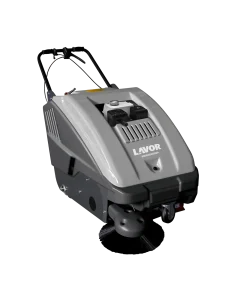
Using specialist court sweepers can significantly reduce maintenance time while ensuring a more thorough clean.
Sand Infill Redistribution
Most padel courts use silica sand infill to help support the artificial turf fibres and provide the correct playing characteristics.
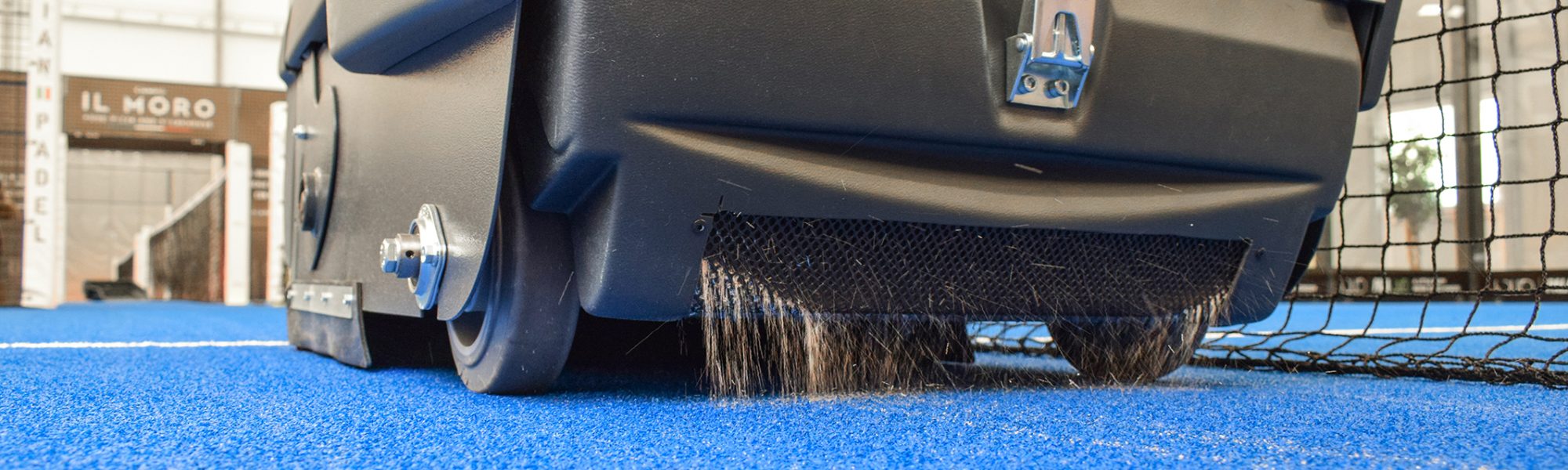
During play, sand naturally migrates around the court, often accumulating in high-traffic areas or around the perimeter. Uneven sand levels can affect player movement, ball bounce, and overall court performance.
Regular grooming helps redistribute the sand evenly across the surface.
Signs Sand Redistribution is Needed:
- Visible patches of exposed turf
- Uneven playing surface
- Areas of excessive sand build-up
- Reduced cushioning underfoot
Modern maintenance equipment can clean the court and redistribute sand in a single operation, making the process faster and more effective than traditional brushing methods.
Brushing the Artificial Turf
Brushing lifts the artificial grass fibres and prevents them from becoming flattened due to regular play.
Without routine brushing, turf fibres can become compacted, reducing playing quality and accelerating wear.
Benefits of Brushing:
- Maintains an upright fibre structure
- Improves appearance
- Enhances player comfort
- Supports even sand distribution
- Extends turf life
Depending on usage levels, brushing should typically be carried out every one to four weeks.
Moss, Algae and Weed Control
Outdoor padel courts can be susceptible to moss, algae, and weed growth, particularly in damp or shaded environments.
These issues can create slippery conditions and damage the surface if left untreated.
Prevention Measures:
- Regular cleaning and sweeping
- Maintaining good drainage
- Prompt removal of organic debris
- Application of approved treatment products when necessary
Routine inspections can help identify problems before they become serious.
Glass Panel Cleaning and Inspection
The glass walls are one of the defining features of a padel court and require regular attention to maintain both appearance and safety.
Dirt, fingerprints, ball marks, and environmental contamination can reduce visibility and detract from the player experience.
Maintenance Tasks:
- Clean glass panels regularly
- Check for chips or cracks
- Inspect fixings and support structures
- Ensure panels remain secure and aligned
Keeping the glass clean not only improves aesthetics but also enhances visibility for players and spectators.
Fence and Structural Inspections
The fencing and supporting structures around the court experience constant impact from balls and player contact.
Regular inspections should include:
- Mesh fencing condition
- Posts and fixings
- Gates and hinges
- Structural stability
- Signs of corrosion or damage
Early identification of wear can prevent more significant repairs in the future.
Drainage System Maintenance
Effective drainage is essential for outdoor courts.
Blocked drainage channels can lead to standing water, surface contamination, and accelerated turf degradation.
Recommended Checks:
- Inspect drainage points regularly
- Remove leaves and debris
- Check for pooling water after rainfall
- Address drainage issues promptly
Good drainage helps maintain year-round playability and protects the court surface.
Lighting Maintenance
For clubs that operate during evenings, lighting is a critical part of court performance.
Routine inspections should include:
- Lamp functionality
- Pole stability
- Electrical safety checks
- Cleaning light fittings
- Replacing damaged components
Proper lighting improves player safety and ensures compliance with facility standards.
Annual Professional Inspection
While routine maintenance can be carried out by facility staff, an annual professional inspection is highly recommended.
A specialist assessment can identify:
- Surface wear
- Infill levels
- Structural concerns
- Glass panel integrity
- Drainage performance
- Equipment maintenance requirements
Preventative maintenance often costs significantly less than major repairs or surface replacement.
Creating a Maintenance Schedule
The exact maintenance requirements will depend on court usage, weather conditions, and location. However, a typical schedule may include:
Weekly
- Remove debris
- Sweep the court
- Inspect surface condition
Monthly
- Brush turf fibres
- Redistribute sand infill
- Check fencing and gates
Quarterly
- Inspect drainage systems
- Clean glass panels thoroughly
- Assess lighting equipment
Annually
- Professional court inspection
- Deep clean and performance assessment
Conclusion
A padel court is a valuable investment, and regular maintenance is essential to protect its performance, appearance, and longevity. By implementing a structured maintenance programme that includes cleaning, sand redistribution, turf grooming, and structural inspections, facility operators can ensure their courts remain safe and enjoyable for players throughout the year.
Consistent maintenance not only reduces long-term costs but also helps deliver the high-quality playing experience that today’s padel players expect.
Contact Us
Columbus UK, based in Darlington, County Durham, is your total solution for all types of indoor and outdoor cleaning equipment. We supply high-quality industrial cleaning machines to all industries and commercial businesses across mainland Britain.
Our friendly, dedicated team provides expert purchasing advice, professional installation, servicing, and repair support to ensure you have the correct machine for your application at an affordable and cost-effective price.
We cover all areas from Scotland and the North East of England through the West Midlands and down to London, with mobile service and repair support available nationwide.
📧 Email: info@columbusuk.co.uk
📞 Tel: 01325 371 439
🌐 Web: www.columbusuk.co.uk